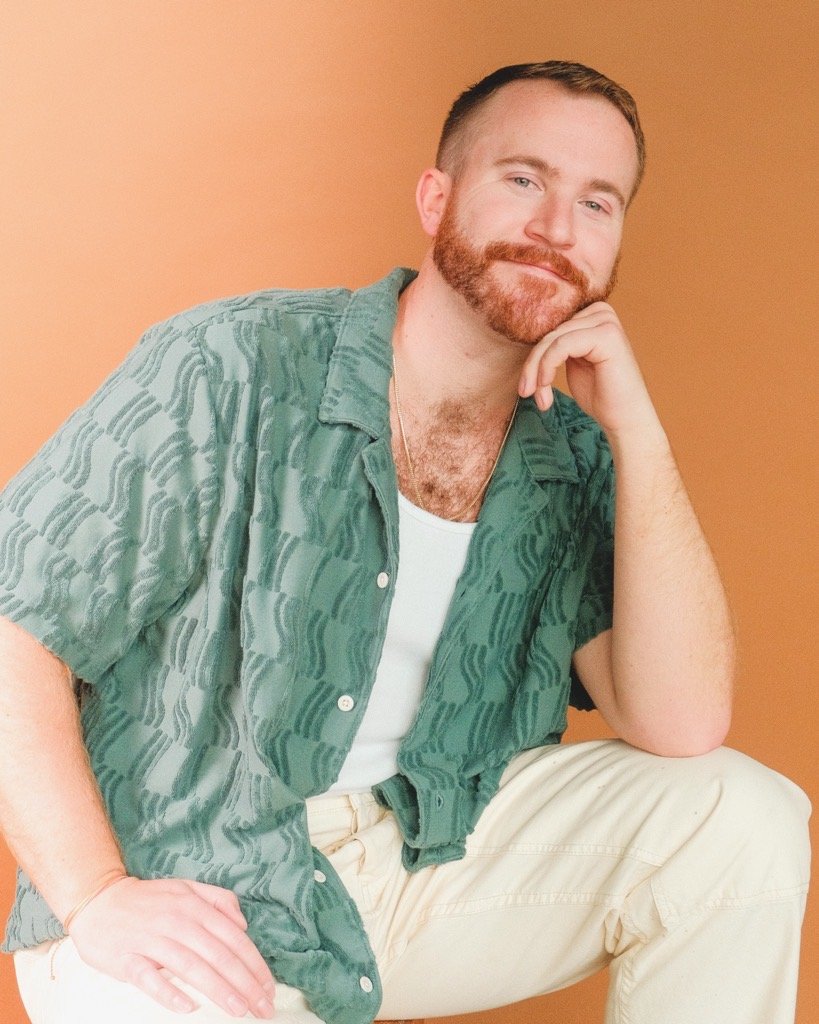
hello greg!
I’m so happy you’re joining this segment.
Working in healthcare — especially in a city like New York — requires a certain kind of strength. How are you feeling lately, both inside and outside the hospital?
First, I just want to say thanks so much for having me be a part of this segment with some pretty awesome people! Secondly, …girl, I’m tired as hell, haha. But in all seriousness, I feel like lately it’s been a bit crazy at work. A few weeks ago, as I’m sure you saw, one of the longest & largest nursing strikes happened right up the street at a few of the larger hospitals here in the city. I think the strike itself created a huge influx of patients seeking treatment elsewhere in and around the city. So with that I think we keep seeing mini surges here and there. So yeah- when I’m at work it’s pretty nonstop for my 12 hour shift then by the time I get home all I want to do is… literally just enjoy the peace & quiet and rest. This cold weather hasn’t been much help either!
You’ve worked as both a travel nurse and now in the PICU — two very different rhythms. How did travel nursing shape you?
Yeah, it was definitely an eye opener, that’s for sure. I think starting out working in the PICU straight from school, for the first half a year at the bedside, it sorta felt like another semester of school. Learning things in lectures & brief clinicals in nursing school was one thing, but to apply book work at the bedside with your patients, their families, your nursing coworkers, and the rest of the interdisciplinary team, it took on a whole new level of conceptualizing. It’s funny though because, personally, I’m someone who holds themself to a pretty high standard, especially at work. I didn’t really see my strengths and weaknesses until I started to travel to my first few assignments. There were plenty of times in my own head I’m like, “greg, do you even know what we’re doing?” and being thrown into new territories with new policies, guidelines, expectations, and a lot of new personalities- it was all a little scary at times- but it helped me realize I had my basics of nursing down, and definitely helped me focus on my strengths while improving some skills I wasn’t too confident about. But I think travel nursing was a huge asset to my career by helping me strengthen one of the most important skills it takes to work in the ICU, and that’s adaptability. Things change in an instant, and being able to pivot at a moments notice is huge in this line of work. And I’m thankful I got to work on that while I was relatively young in my nursing career.
For those reading, being a PICU nurse means caring for critically ill children and supporting their families through unimaginable moments. How do you emotionally navigate that responsibility?
I think it’s kind of remarkable, how nursing is arguably one of the largest pillars in healthcare, but it falls into this almost grey area of scientific data & subjective psychology. Like yes, when we have a child who is diagnosed with X, Y, or Z, we have specific treatment plans to assure the human body can recover as best as it can- but depending on the family situation or other social factors, we can tweak and curate a plan that fits best for our patients and their family. And I think that all revolves around listening. Listening to wants, to needs, to the basics. I’m very thankful that I grew up in a household where we supported one another and I think being so observant from a young age really helps me show up as that strong empathetic caregiver at work. So, yeah. Thank you to all of the many, many personalities that my big fat Italian/Irish family has exposed me to over my 30 years. Exposure therapy is a real thing!
There’s a level of emotional intelligence required in pediatric care — not just treating the patient, but holding space for families. How do you balance clinical focus with compassion?
I think that’s a great question. When I first started it was a real rude awakening to realize that it’s not always just the tiny humans we focus on day in and day out- but also their families. I try my best to read the room in every situation and step up & give my support based on both nonverbal and verbal cues. But also that insight definitely helps me know when to back off or let others take the reins- which I’m not afraid to do. I really love working in pediatrics because I have so many nieces and nephews and I learned to be comfortable around kids from a really young age. Every time I’m at work, I really do try to put myself in my patients shoes and I ask myself, “if that were me or if that were ‘(one of my nieces or nephews names)’ what would I want out of my nurse?” and with that aspect, I think about it from the family’s POV too. It really is a balance of keeping the patient and family safe, happy, and on the path to wellness.
Travel nursing requires adaptability — walking into new hospitals, new teams, new systems. Did that experience change the way you approach your work now?
Absolutely! Like I said earlier I really believe traveling was the best asset to my career. Experiencing new patient populations, cultures, treatments, medications, procedures, and more helped strengthen a lot of the skills I use every day at this point. Being a traveler helped me learn to adapt in a very wide array of levels of stress, and that was huge for me. It kinda felt like sink or swim, especially when you’re a contract worker trying your best when you don’t have that home court advantage. You know I’m a hard head, so I simply could never accept the “sink” option. You quickly learn how to “swim” and you keep up. And not to be a nerd for a second, but it was really cool learning new ways different hospital systems treated certain diseases. Being able to say, “Oh in New Orleans we did this, but when I was in DC I learned this can help too,” while I’m working with the team here in NYC is a pretty cool experience. It’s funny how people can take different avenues to end up at the same destination.
Healthcare can be incredibly rewarding, but also incredibly draining. What has kept you grounded through the most challenging moments?
Honestly, I think the most grounding thing for me is when I’m reminded that we’re all humans. That sounds weird to say out loud, but it’s true. When I’m on the unit, there are days when we’re so busy that we barely sit down, and if we do it’s to chart as fast as possible. Some days I just feel like a clog in a machine. Got 2 seconds of peace between cares? Boom- 3 call bells go off, room 13’s blood just got delivered, and pharmacy is on the phone for the nurse who is suctioning their intubated patient. It never stops. Some days I bust my ass over and over again, and you keep doing all this shit but you feel like your hard work isn’t going anywhere. But then, you take a deep breath and realize that your patient’s mom noticed the bow you put in her hair after getting back from MRI & you can hear a sigh of relief. You overhear a patient’s dad talking about how she looks so comfortable in bed and how Greg remembered she likes her stuffed animal, Mr Hopper under her right arm. It’s the small things that help me take a step back and realize that this job isn’t always about getting from point A to point Z. Keeping humanity alive in a hospital makes the hard work feel worth it.
Looking back, is there a particular experience that reaffirmed why you chose this path?
Honestly looking back, I think I’ve had plenty of gentle reminders that my hard work is appreciated, in one way or another. I’m fortunate enough to say that for every tough situation I’ve experienced at work, I have a counter positive situation that has brought joy to working at the bedside. Obviously the more sad situations are heavier- but I think I find some peace of mind that I used my skills & my compassion to make any moment of someone’s worst day of their life a little bit better. That being said- there is no better feeling than being able to high five a kiddo or hug their mom & dad as they’re walking out of the unit and heading back home. It’s incredible. These kids are resilient and strong beyond my comprehension. They inspire me every day to be my best.
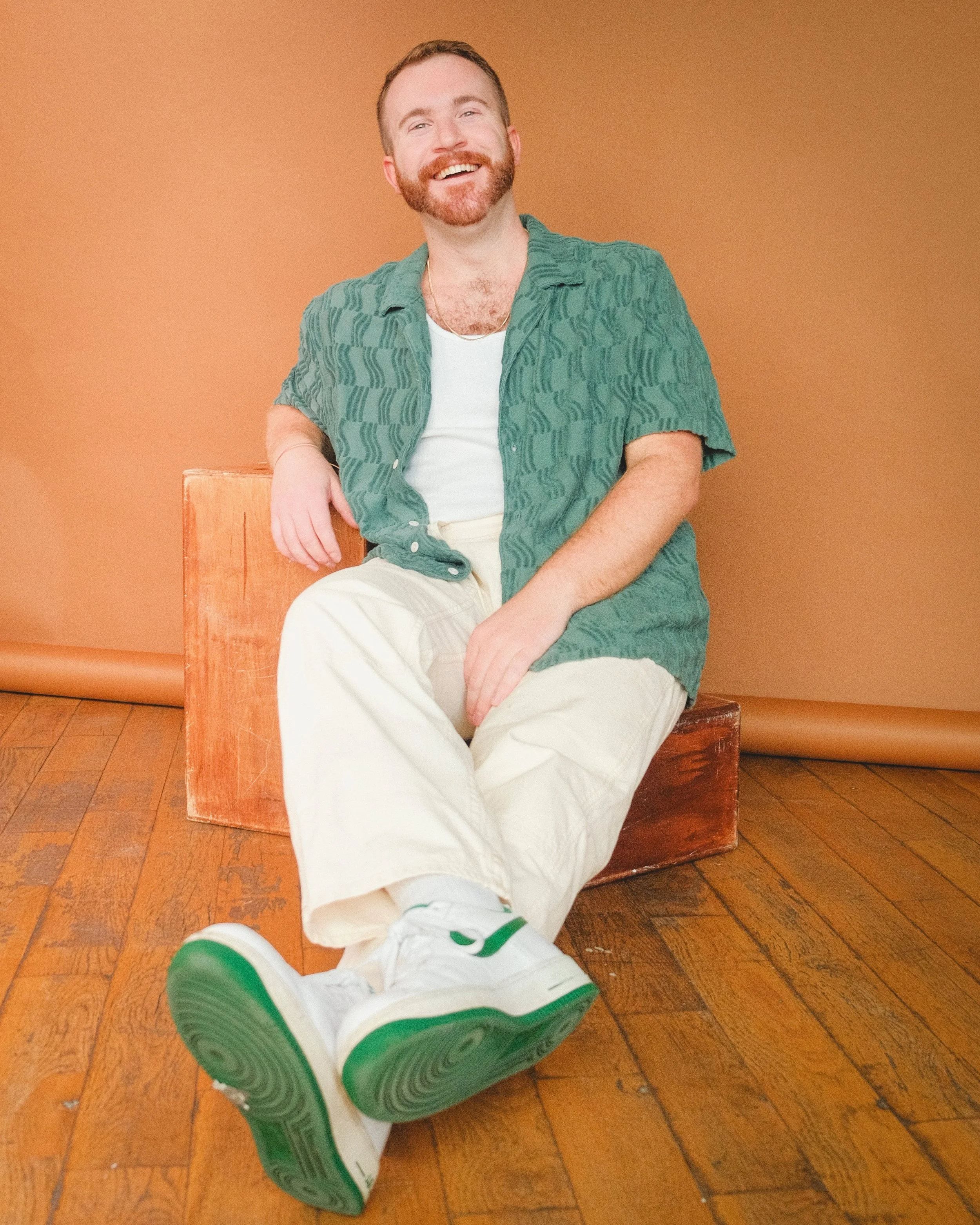
outside of the hospital — how do you decompress after such emotionally intense shifts?
God, 25 year old Greg & 30 year old Greg would answer this question in two COMPLETELY different ways, haha. After a heavy & busy shift- I definitely prioritize my rest. I usually call my mom & dad or one of my sisters. Although we talk pretty much every day, just something about taking to them after a shitty day helps me get out of the work mindset and back into my off-duty mindset. Definitely love spending time with people who make my life feel as rich as it should be. We love grabbing some good food, enjoying some strong drinks, music that can’t let you sit still, and the kind of laughter that makes all the scary adult shit go quiet for a bit. Always thankful I have some good people to lean on when I need it. And vice versa.
Thank you so much for being part of this segment. The work you do requires strength, empathy, and resilience — often all at once.
Thanks for having me! This was an awesome experience. I hope we get to do more with this group in the near future!
